

 Devika Garg
Spinal disorders can impact daily comfort, posture, and mobility. While medical treatment is important for proper diagnosis, adopting safe home-based habits and a balanced diet can support spinal health and overall well-being. This article shares general, non-medical tips that are safe to follow at home.
Disclaimer: This content is for general awareness only and does not replace professional medical advice.
Safe Home Tips for Better Spine Health
Maintain Correct Posture
Good posture reduces unnecessary stress on the spine and surrounding muscles.
- Sit upright with your back supported
- Keep shoulders relaxed and feet flat on the floor
- Avoid bending the neck for long periods while using mobile phones
- Use a chair with proper back support
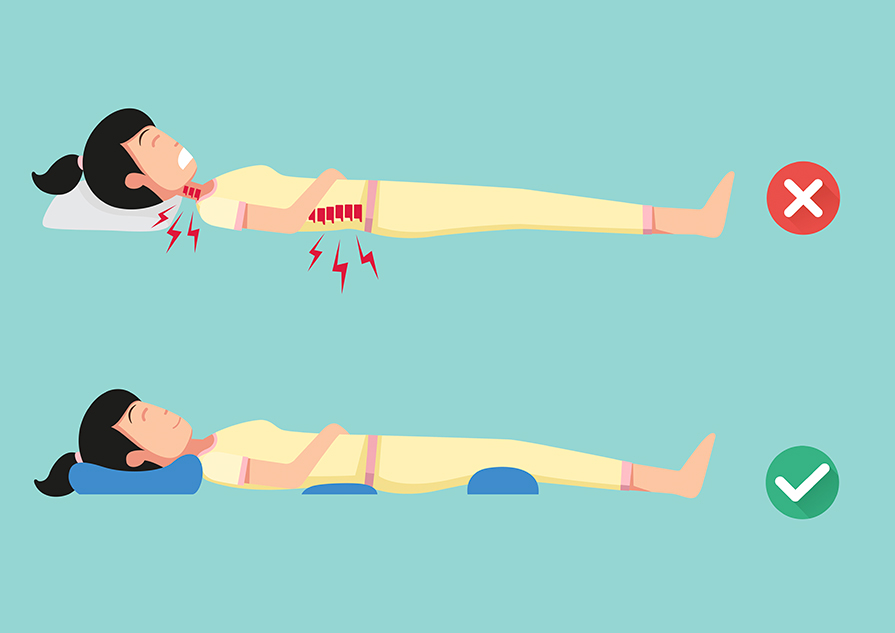
Improve Sleeping Position
Your sleeping posture plays a vital role in spinal comfort.
- Sleep on a firm and supportive mattress
- Use a pillow that keeps the neck aligned with the spine
- Side sleeping with a pillow between the knees helps spinal balance
- Avoid sleeping on the stomach regularly
Gentle Daily Movement
Light movement helps reduce stiffness and supports flexibility.
- Take short walks at home
- Perform gentle stretching within comfort limits
- Avoid sudden twisting or heavy lifting
- Take breaks after long sitting hours
Maintain Healthy Body Weight
Excess body weight increases pressure on the spine, especially the lower back.
- Follow a balanced and nutritious diet
- Limit processed and fried foods
- Stay active with safe daily movements
Spine-Friendly Diet Tips at Home
Calcium-Rich Foods
Calcium supports bone strength and spinal structure.
- Milk, curd, and paneer
- Almonds and sesame seeds
- Green leafy vegetables
Vitamin D Sources
Vitamin D helps the body absorb calcium effectively.
- Daily sunlight exposure (15–20 minutes)
- Fortified dairy products
- Mushrooms
Anti-Inflammatory Foods
These foods support muscle and joint comfort.
- Fresh fruits like oranges and berries
- Vegetables such as spinach and broccoli
- Turmeric in normal cooking quantities
Stay Hydrated
Proper hydration helps maintain spinal disc health.
- Drink sufficient water throughout the day
- Reduce intake of sugary drinks
Habits to Avoid for Spine Health
- Sitting for long hours without breaks
- Lifting heavy objects incorrectly
- Sleeping on very soft or uneven surfaces
- Ignoring ongoing back or neck discomfort
When to Consult a Doctor
Seek professional advice if you experience:
- Persistent or severe back pain
- Numbness or tingling sensations
- Difficulty standing or walking
- Pain after an injury or fall
Conclusion
Improving spinal health at home begins with safe posture habits, gentle movement, and a nutritious diet. These simple lifestyle changes can support spine comfort and overall wellness. Always consult a healthcare professional for persistent symptoms.